All Categories
Featured
Table of Contents
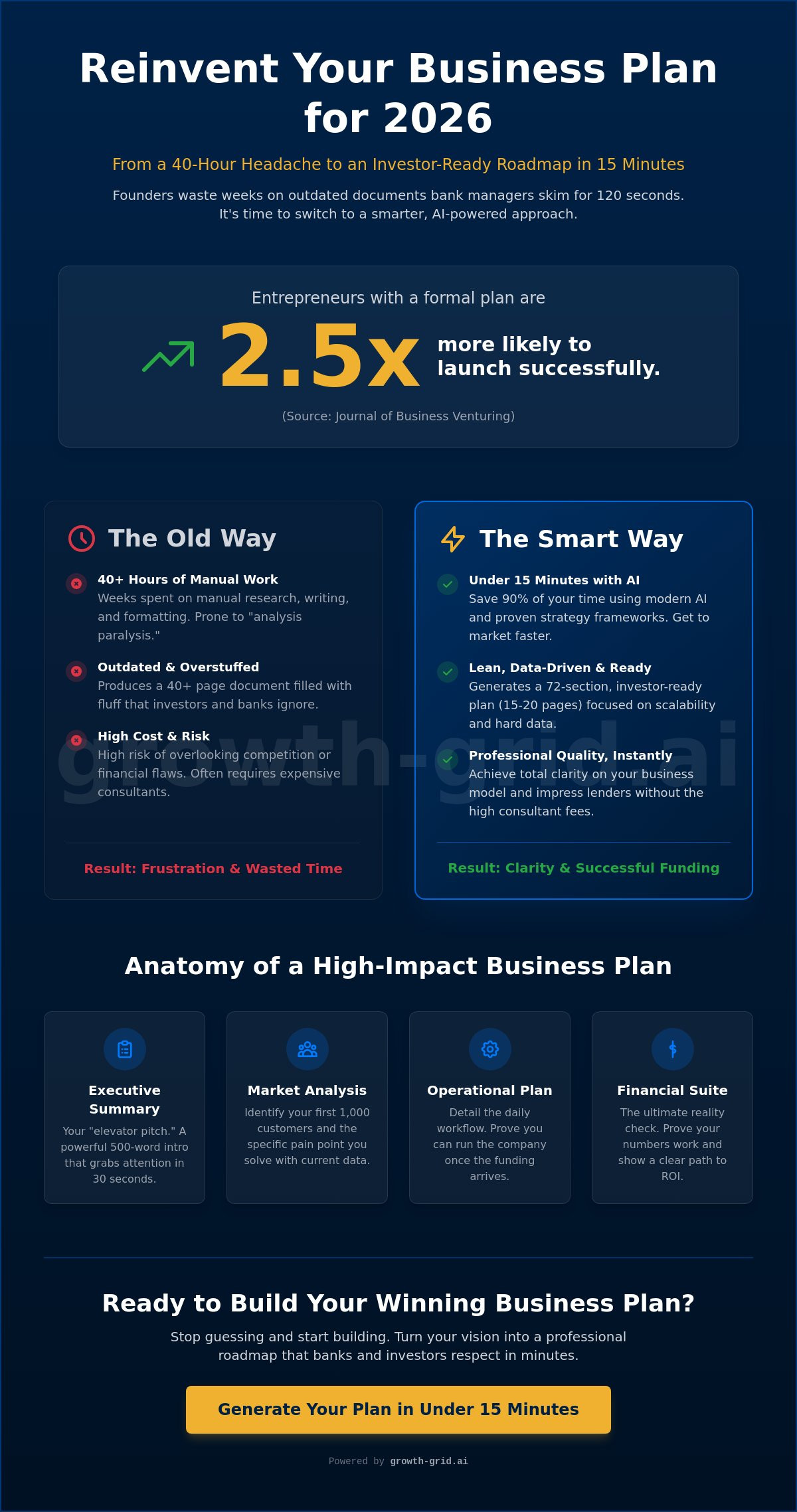
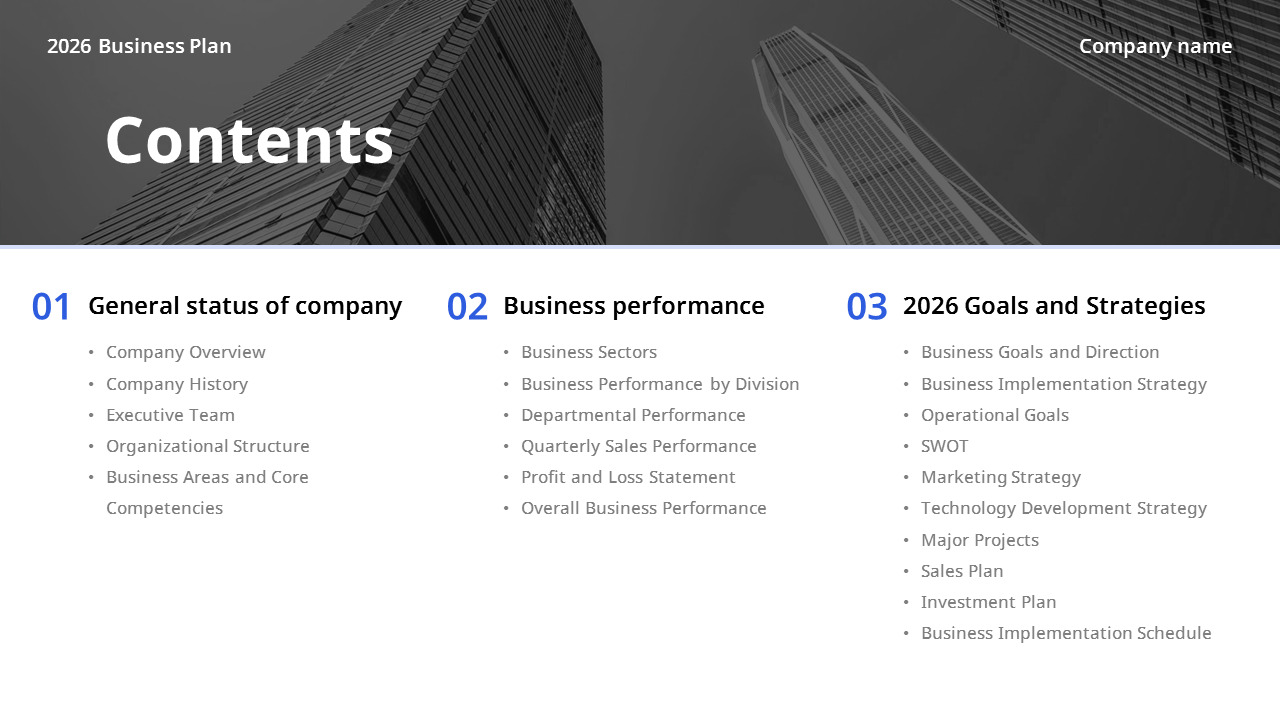
Here are the essential elements to include in your company strategy summary: Think of the executive summary as your elevator pitch a concise business summary capturing the essence of your plan. Craft a concise and compelling business introduction, highlighting your: Purpose. Target market.
Products or services and their unique selling points and advantages. Legal structure, ownership, and functional location. Conduct a comprehensive analysis of your target audience. Assess the industry landscape, determining your target audience, its size, demographics, requirements, and purchasing habits. Analyze your rivals, their strengths and weak points, and how you will differentiate.
Examine market patterns, possible dangers and chances. Conventional plans include a marketing plan with details on marketing channels and pricing techniques. Outline methods for reaching your target audience and promoting your offerings.
Emphasize their credentials and capability to execute your plan. Construct trust and self-confidence in your management's capability to execute your strategy.
Show the financial practicality of your organization and capacity for return on financial investment. Consist of supporting documents to supply additional context and strengthen the trustworthiness of your service strategy: Marketing research reports. Competitor analysis data. Comprehensive monetary models. Financing request: If you're looking for lender or investor assistance, clearly specify the quantity asked for and how it will be used.
How Strategic Development Fuels Modern Success
Compared to a conventional service plan, a lean company strategy is a one-page organization plan concentrated on experimentation, model and learning. Here are the key elements to consist of in your lean start-up service plan: Clearly articulate the particular problem your organization fixes in such a way that resonates with your target audience.
Discuss how your solution stands apart from existing alternatives and why it's the better option. Concentrate on your value proposition: Why should clients select you over existing solutions? Explain one of the most fundamental version of your item or service your minimum practical product that can be checked with real consumers. Don't get bogged down in a feature-packed MVP.
Emphasize fast development and screening instead of extensive product functions in advance. Concentrate on a fast item development process and screening cycles to constantly find out and improve based upon user feedback. Get feedback from early adopters to confirm your presumptions and repeat rapidly. Define your ideal client sections, including demographics, requirements and pain points.
Finding Your Niche Before Naming Your Company
Detail your consumer recognition methods, consisting of metrics and key knowing goals. Explain your initial channels and strategies for customer acquisition and growth.
Concentrate on effective channels and methods for target consumer acquisition. Be flexible and explore various techniques based on MVP feedback. Focus on traction and acquiring a grip in the market rather than comprehensive marketing and sales plans. Note what you require to achieve to construct and provide your MVP.
Note your essential activities, focusing on performance and very little resource requirements. Determine key employee with the required abilities and competence. Keep in mind the tools needed to support operations. Don't get slowed down in detailed financial strategies or modeling at this stage. Use streamlined projections for internal planning and potential financier interactions.
Utilize these projections to track development, make informed choices, and attract investors. Develop a clear roadmap for MVP development, client validation and market launch. Describe a roadmap that consists of turning points and due dates for each stage of development, recognition and launch. Break down the strategy into workable tasks to preserve momentum and track development.
Identifying a Profitable Niche Market
Whether you're selecting traditional or lean, follow these actions for producing an effective organization plan: The very first (and essential) step is to comprehend the audience and determine your objectives. Figure out whether you'll require a standard or lean plan, so you can customize your material and structure. Attract investors, protected loans, or guide internal operations.
Understanding your goals is vital to establishing a good organization plan that lines up with your goals and sets a clear path for success. Optimize your service preparing efforts by carrying out thorough research. Start by gathering all of the pertinent information and info that will form your company plan outline, including market research study, rival analysis, and financial projections.

Latest Posts
Data Strategy and Growth in Modern Digital Communications
Defining Community-Led Growth in 2026
Data Strategy and Growth in Shopify Analytics And Reporting Dashboards